

Find out the most interesting stories about former Yugoslavia, World War II, Tito’s life, „Youth relay baton“, Non-Aligned movement, conflicts of the nineties, NATO bombing of Serbia and Montenegro in 1999 and democratic changes at the beginning of the third millennium. Visit Museum of Yugoslavian history which is also a resting place of the lifetime president of Yugoslavia, see remains of NATO attacks as well as other attractions related to that period.
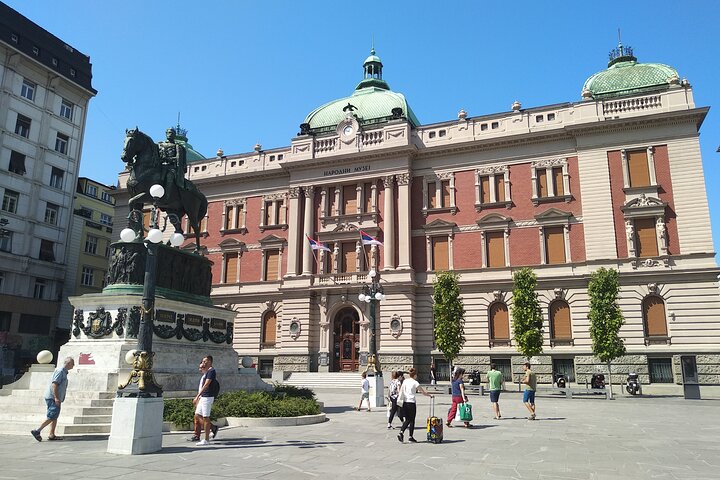
The Republic Square (Serbian: Trg Republike) is one of the central town squares and an urban neighborhood of Belgrade. Our guides introduce tourists to the story of the phenomena of Josip Broz Tito, „Youth relay baton“, Non-Aligned movement, conflicts of the nineties, NATO bombing of Serbia and Montenegro in 1999 and democratic changes at the beginning of the third millennium.
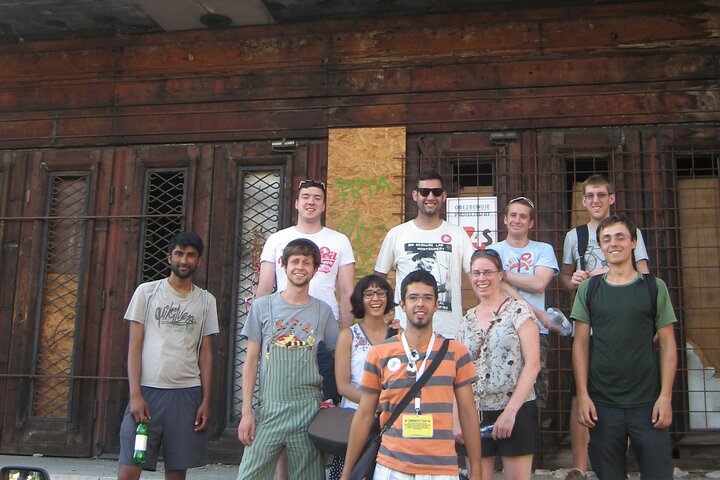
Dom Sindikata ("Trade Union Hall") is a massive building, built in the style of Socialist realism. It was projected by Branko Petričić and the construction began in 1947.
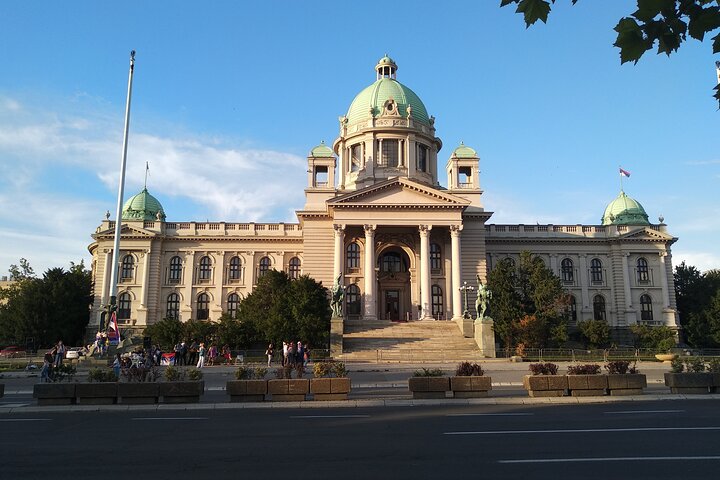
The House of the National Assembly of the Republic of Serbia is the seat of the National Assembly of Serbia. The building is located on Nikola Pašić Square in downtown Belgrade, and is a landmark and tourist attraction. Between its completion in 1936 and 2006, it was the seat of the Parliament of Yugoslavia and the Parliament of Serbia and Montenegro.
Kneza Miloša Street was the main city's korzo (promenade) and today is one of the major traffic arteries of the city, location of some of the most important national institutions and a street with the largest number of embassies in Belgrade.
The Yugoslav Ministry of Defence building, also known as the Yugoslav General Staff is a building that was previously occupied by the Ministry of Defence of Yugoslavia, a governmental department responsible for defending the Federal Republic of Yugoslavia from internal and external military threats. Considered to be a masterpiece of post-war architecture, it was bombed and heavily damaged during the NATO bombing of Yugoslavia in 1999.
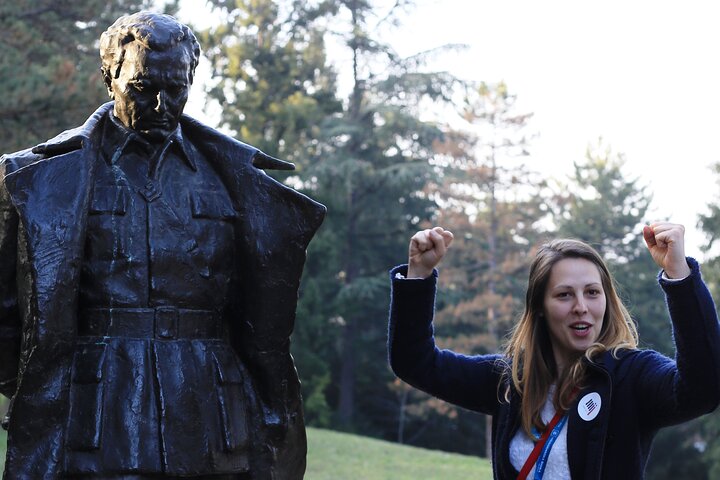
From Generalsab building to Museum of Yugoslavia the group takes trolleybus (the drive takes about 15 minutes).The Museum of Yugoslavia is a public history museum in Belgrade, the capital of Serbia. It chronicles the period of Kingdom of Yugoslavia and Socialist Yugoslavia as well as the life of Josip Broz Tito. Tito's grave is located in one of the museum buildings (the House of Flowers).With 120,000 visitors annually, it is the most visited museum in Serbia.
Don't miss this incredible journey. Book your adventure today on Viator!
The information provided above is compiled from tour operator listings and customer reviews for informational purposes only. Tour details, pricing, inclusions, and availability are subject to change without notice. We strongly recommend that you verify all current information, including tour schedules, prices, cancellation policies, and specific requirements directly with the official tour provider before making any booking decisions. While we strive to keep this information accurate and up-to-date, we cannot guarantee the completeness or accuracy of all details. Please check the official tour page for the most current information and terms of service.