E-Scooter CRAFT BEER and BREWERY Tour
Perfect for beer enthusiasts, adventure seekers, couples looking for unique experiences, friend groups, and travelers wanting to explore Belgrade beyond traditional sightseeing.

A Belgrade food tour takes you to the places where locals eat and drink: bakeries, markets, grill houses, old taverns and wine bars. It suits first-time visitors, food lovers and anyone who wants to try local dishes without guessing what to order. Outside the capital, food and drink tours in Serbia also go to wine cellars, rakija distilleries and village homes.
Food is a big part of Serbian culture. Meals are long, portions are big and guests always get something to eat or drink. So a food tour is also a simple way to see how people here live.


Perfect for beer enthusiasts, adventure seekers, couples looking for unique experiences, friend groups, and travelers wanting to explore Belgrade beyond traditional sightseeing.

Private full-day wine tour from Belgrade to Sumadija, Serbia’s Royal Region. Visit four wineries, including the old royal wine cellar in Topola, with hotel pickup.

A private 90-minute food tasting at Kalenić farmers market in Belgrade: burek, ajvar, kajmak, čvarci, ćevapi and traditional sweets, plus a short walk around the neighborhood.

Discover Belgrade’s thriving craft beer scene on this expertly guided tasting adventure through the city’s most acclaimed breweries and beer bars.
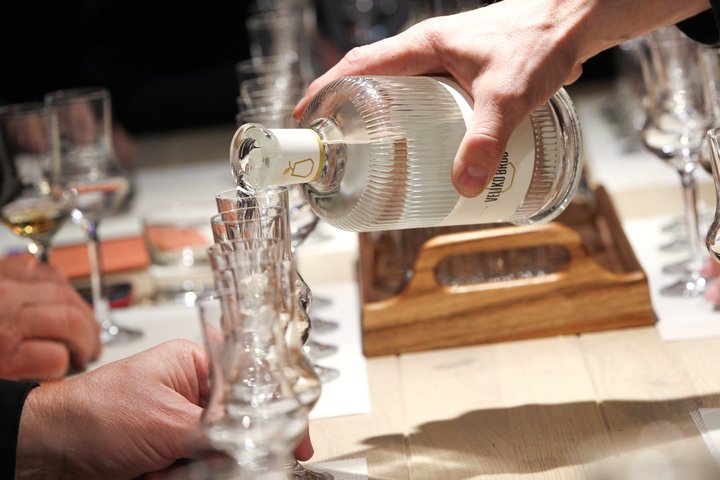

Discover the authentic flavors of Serbia on this immersive 6-hour wine tasting adventure from Belgrade to the historic wine region of Sremski Karlovci.


Solo travelers, couples, bachelor/bachelorette parties, and anyone wanting to experience authentic Belgrade nightlife with like-minded people.


Discover Belgrade’s authentic pub culture with local experts who know where Belgradians truly drink.


Serbian food is home cooking more than restaurant food. Many recipes come from family kitchens and haven’t changed much in generations. Food tours in Belgrade take you past the tourist restaurants to local bakeries, family-run grills and taverns where people from the city actually go.
A tour also gives you context. Your guide explains what each dish is, when people eat it and what goes with it. Whether you try street food at a Belgrade market, share a homemade meal in a village or learn why rakija matters so much here, you leave knowing how to order on your own for the rest of your trip.

In Serbia, gostoprimstvo (hospitality) is more than good manners. It’s a basic part of the culture. Guests get food and a drink as soon as they sit down, and no one is supposed to leave hungry.
The cuisine shows the country’s history as a crossroads. Ottoman influences are in the grilled meats, burek and sweet pastries. Hungarian traditions show up in stews and paprika dishes, mostly in the north. And Austrian heritage lives on in schnitzels and cakes. The mix is distinctly Serbian, but a lot of it will feel familiar.
Central to Serbian food culture:
Meals here are slow, and people care more about the company than the clock. That’s why a food tour in Serbia is about more than tasting dishes. You also see how people spend time together.
Belgrade’s food scene is easy to see on a market visit or a walk between street stands. These tours start with pekara (bakery) culture, where locals grab burek for breakfast, and go on to small grills serving ćevapi and pljeskavica. Markets like Kalenić and Zeleni Venac show you seasonal produce and a slice of daily life. For tours that focus only on quick bites, see the Belgrade street food tours.
Village visits and kafana (traditional tavern) dinners are about home-style cooking. On these tours you often eat a meal of several courses made by a local family, with stories about the recipes. Expect hearty dishes like sarma (cabbage rolls), roasted meat and fresh bread. In Belgrade, many kafana evenings happen in Skadarlija, the city’s bohemian street, often with live music.
Serbia has several wine regions, and Fruška Gora near Novi Sad is the easiest one to reach from Belgrade. Wine tours in Serbia visit family wineries and cellars, where you learn how the wine is made and taste local varieties. Many also include a rakija tasting, with brandies made from plums, apricots, quinces or pears. If you’d rather stay in the city, shorter tastings in Belgrade wine bars are another option.
Belgrade also has a growing craft beer scene, and Belgrade brewery tours take you to local breweries and taprooms. Other tours focus on one interest: vegan-friendly food walks, cooking classes where you make traditional dishes, visits to cheese producers or honey tastings.

Most food tours in Serbia are led by locals: guides, home cooks or people who simply love their food. Besides explaining the dishes, they share family stories and tell you how certain foods are tied to holidays and everyday life.
Serbian cooking uses a lot of meat, but most tours can adjust for dietary needs if you tell them in advance. Vegetarian options often include ajvar (roasted pepper spread), kajmak (a creamy dairy spread), fresh cheeses, pies and seasonal vegetables. During Orthodox fasting periods, many places also serve dishes without meat or dairy.
Portions are generous. On many tours the tastings add up to a full meal, so come hungry.
Try what you don’t know. Kajmak, ajvar and čvarci (pork cracklings) may be new to you, but they’re basic to Serbian food. Your guide will explain each one.
Don’t skip the drinks. Many small towns have their own wine or rakija, and local drinks say a lot about the region and the families who make them. If you don’t drink alcohol, just say so. There’s always something else to try, like homemade juice or strong Serbian coffee.
Ask about homemade food. The best stops often serve things families make themselves: rakija, bread, cheese and preserves from their own garden.
Pace yourself. Hosts will keep offering more. It’s fine to take small portions and say no to seconds.
Wear comfortable shoes. City food tours are mostly on foot, and some streets in central Belgrade are steep.
Want to know what to order before you go? Read the guide on what to eat and drink in Serbia.

It depends on the tour, but common tastings include:
City food walks usually take a few hours. Wine and village trips outside Belgrade often take most of the day.
Yes, most tours can adjust if you tell them in advance. Vegetarian options often include ajvar, kajmak, fresh cheeses, pies and seasonal vegetables.
No. Rakija and wine are part of many tours, but you can skip them. Just tell your guide, and you can try something else, like homemade juice or Serbian coffee.
No, come hungry. Portions in Serbia are generous, and on many tours the tastings add up to a full meal.
A street food tour focuses on quick bites from bakeries, grills and markets. A food and drink tour can also include sit-down meals in a kafana, village lunches, and wine or rakija tastings.